.avif)
In Nunavut, speed skating isn’t just a sport. It’s a family reunion on ice.
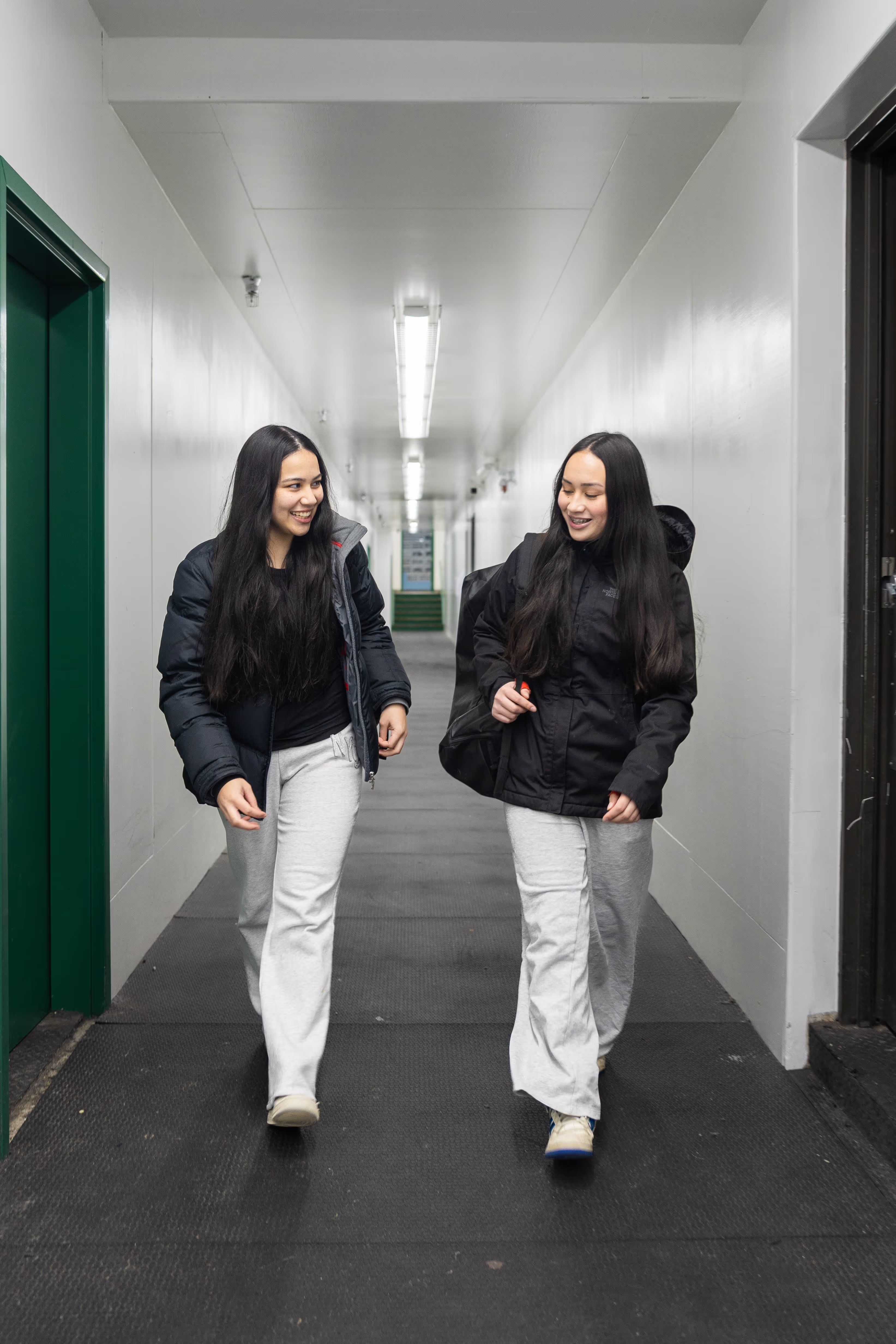
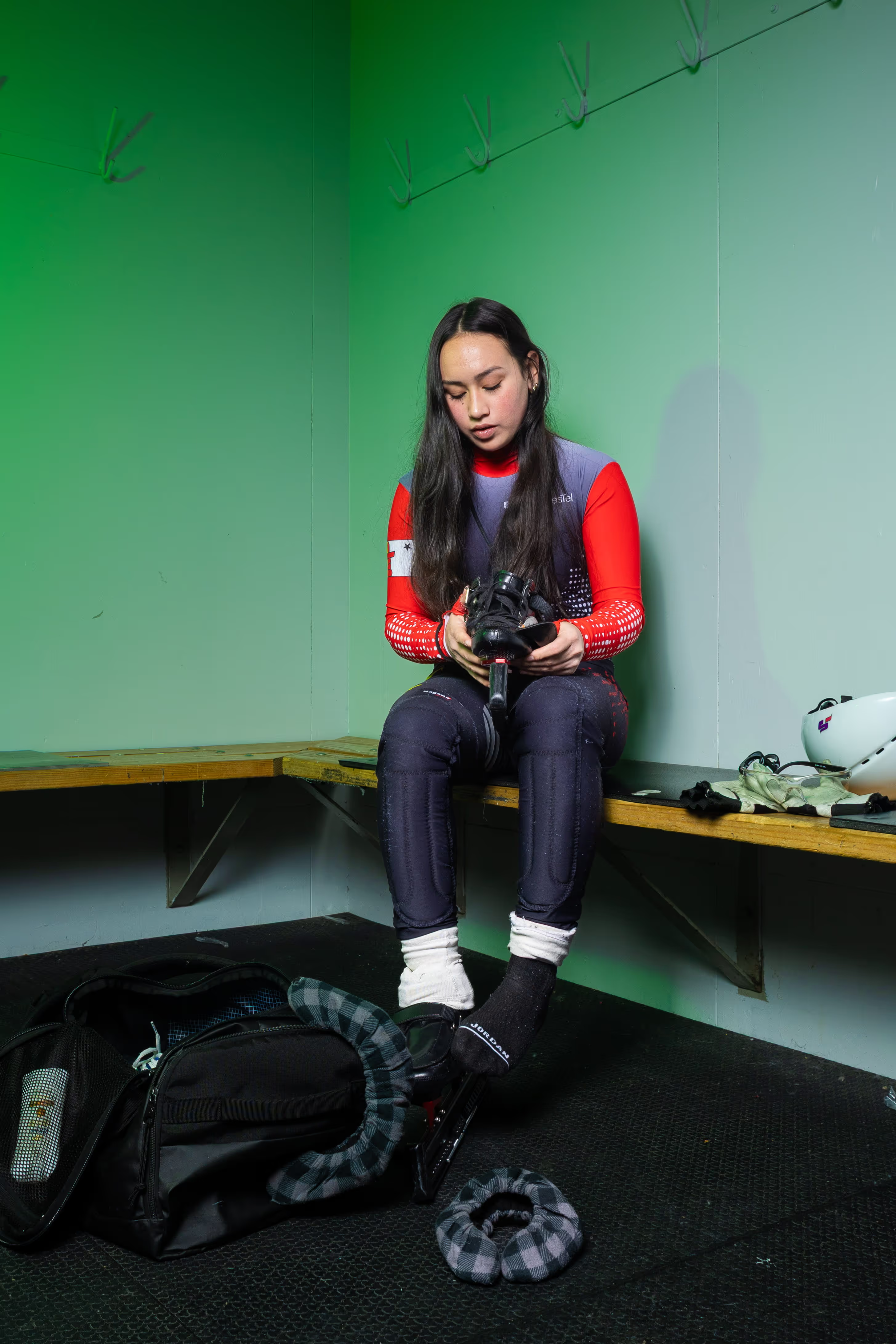
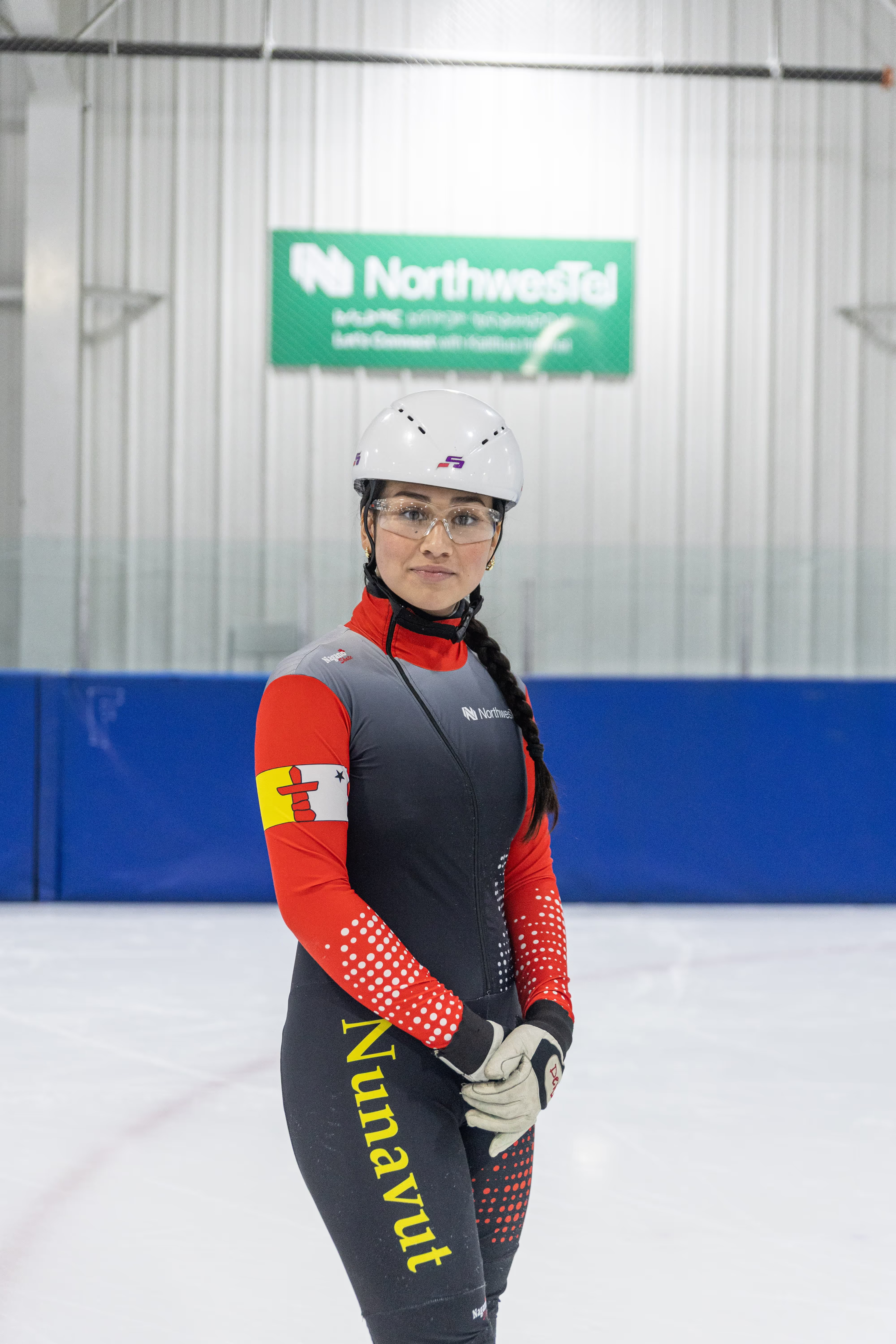
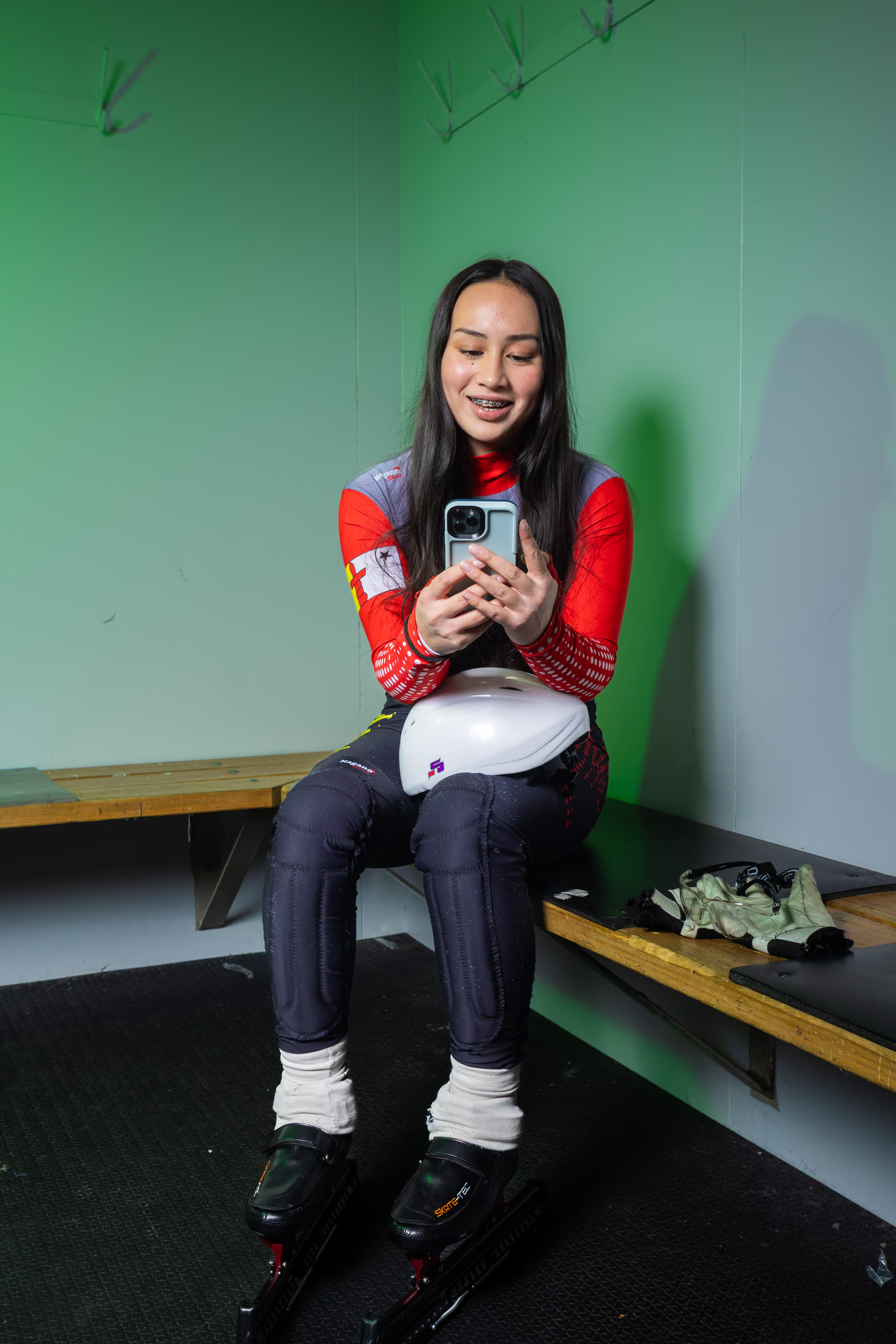
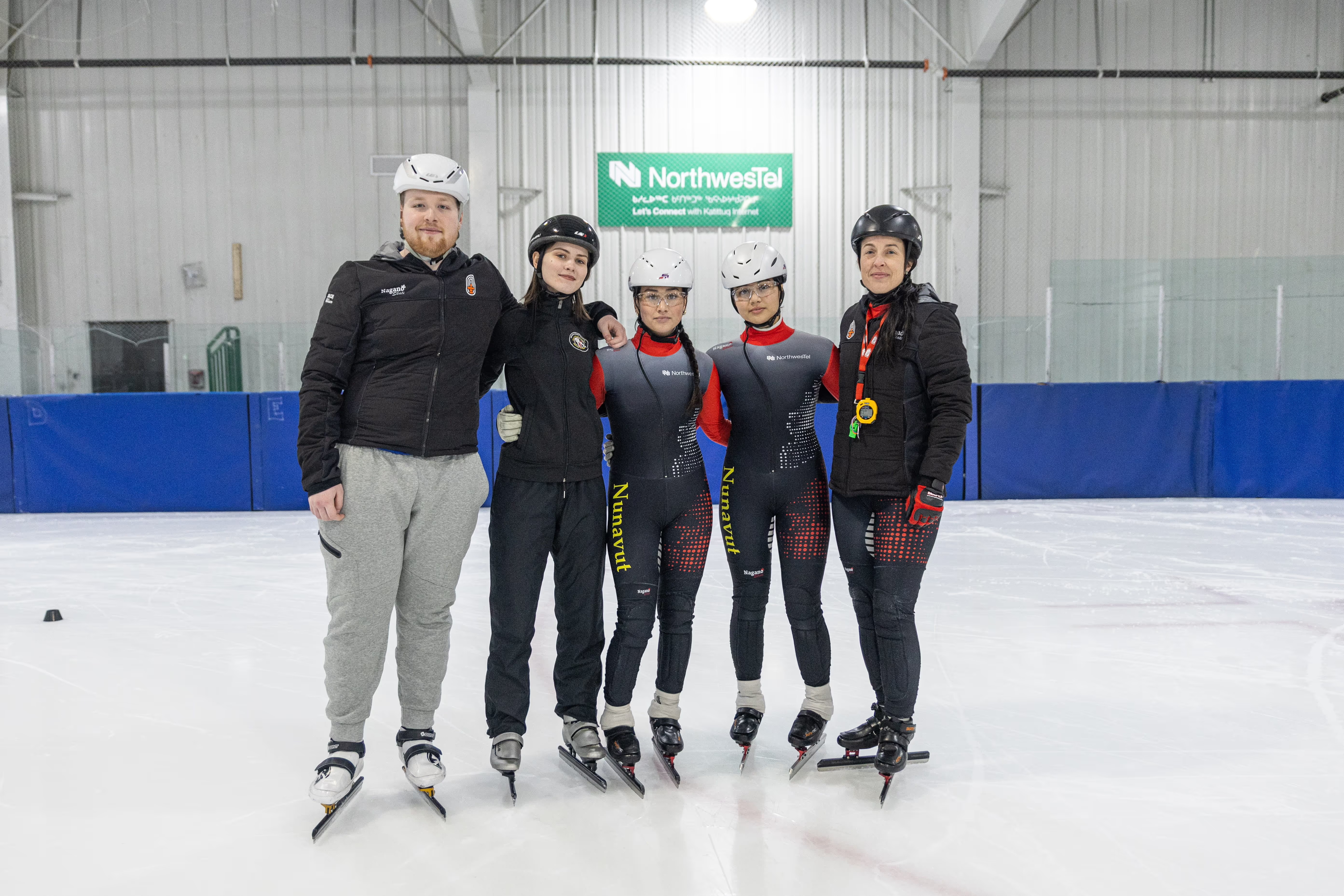
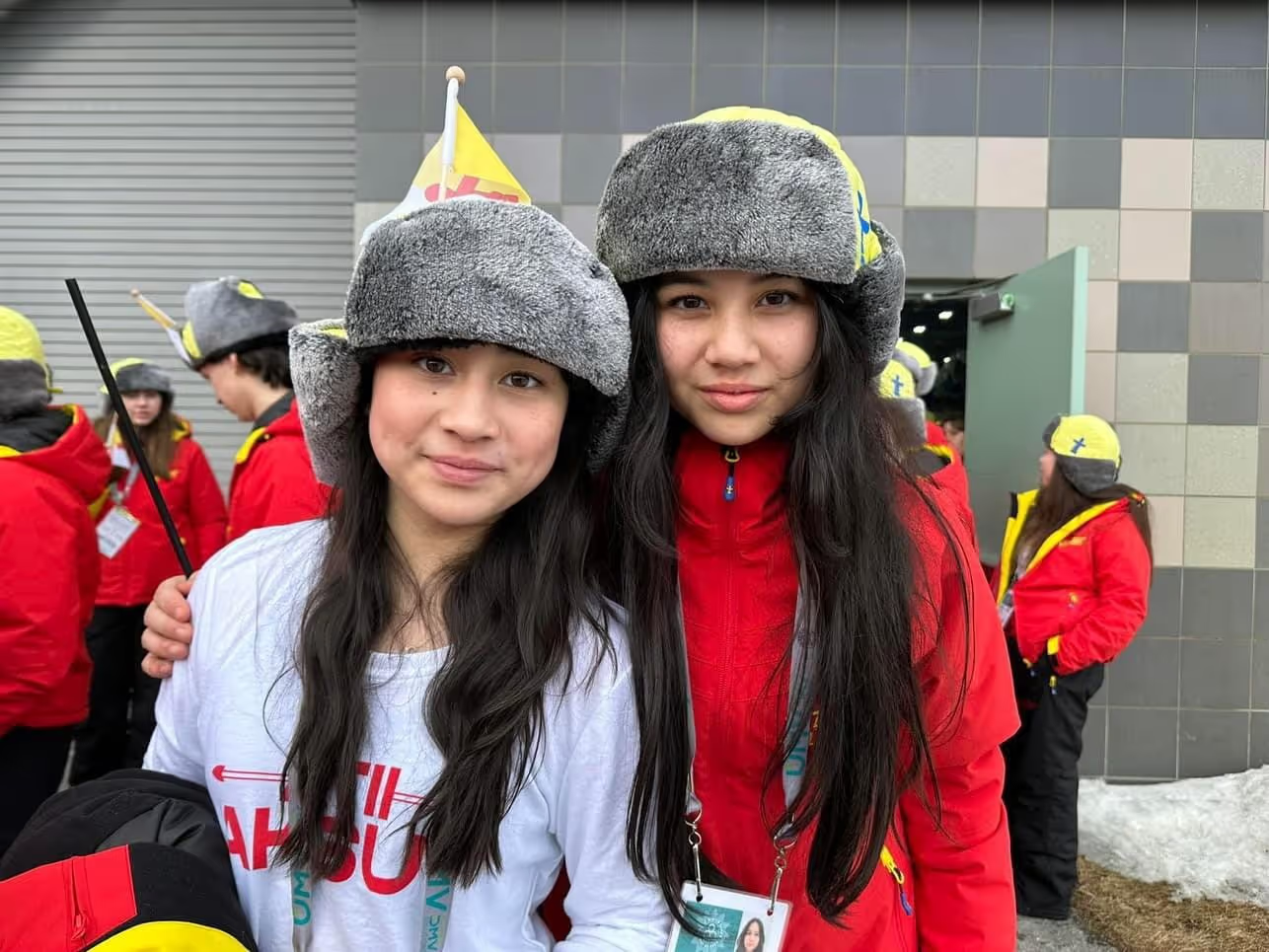
When sisters Arielle and Meliya Allain lace up for the 2026 Arctic Winter Games, they carry more than race strategy. They carry cousins who trained beside them, coaches who once stood in their skates, and a community that proudly calls itself a speed skating family.
Around the rink in Iqaluit, that sense of family is everywhere. Parents volunteer, former athletes return as coaches, and younger skaters watch teammates represent Nunavut already imagining their own turn on the ice.
Because here, no one chases the future alone. They build it together.

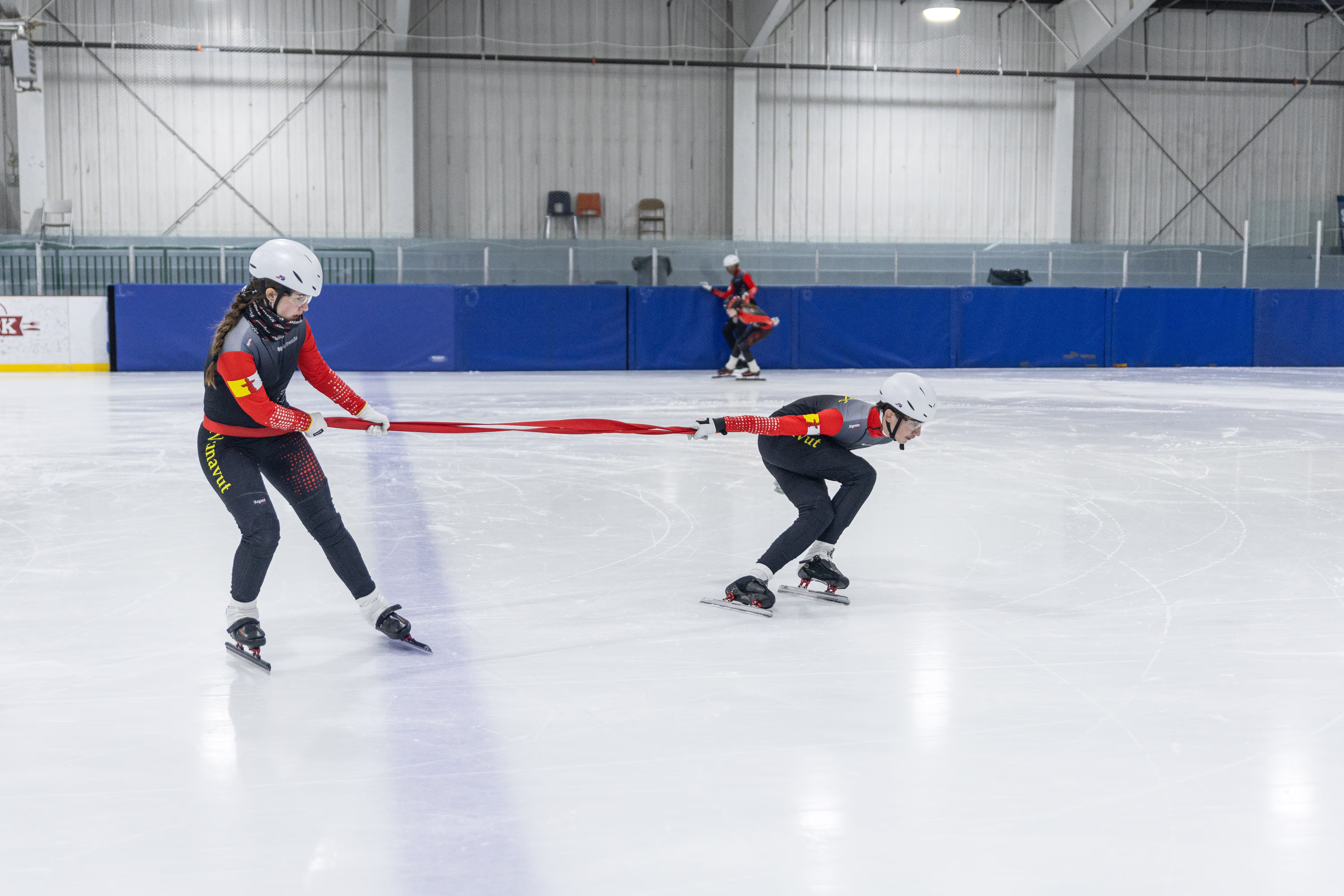
Speed skating in Iqaluit stretches far beyond competition. Athletes train across age groups, learning from one another as they grow. Older skaters become role models, while younger athletes gain confidence by sharing the ice.
That journey, from first strides to a lasting cycle of mentorship, often begins in the Northwestel Learn to Speed Skate program, where young athletes build skills, confidence, and a lifelong connection to the sport.
Meliya shared that watching older skaters on the ice played a huge role in shaping her own journey, and now, skating alongside younger teammates, she sees how that same inspiration continues to pass from one generation to the next.
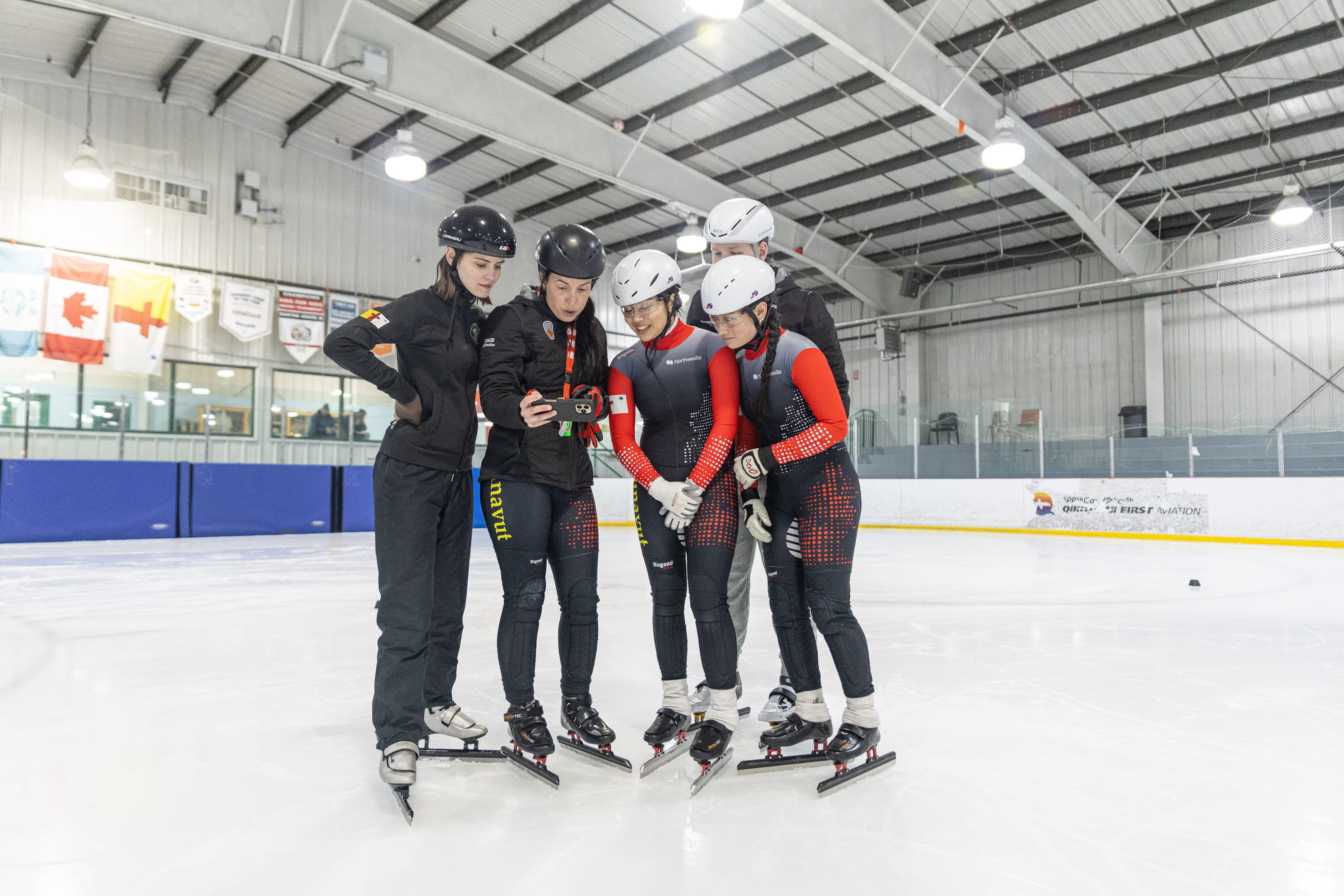
"It’s always nice to look up to the people. But skating together also gives back to the younger ones too. I get to share my knowledge with them in the way that an older skater did for me."
- Meliya
Speed skater for Team Nunavut.
"I think that it takes a whole village. For us that village goes beyond the people involved every day. Past skaters’ parents still come back to volunteer, and sponsors like Northwestel help promote our sport and our association. Despite the distances, the costs, and limited resources, these athletes are doing amazing things. They just rock."
- Martine Dupont
Team Nunavut Speed Skating Coach.
Since 2020, Northwestel has been part of that extended community, sponsoring the Nunavut Speed Skating Association and investing in opportunities for young athletes across the territory.
It’s that sense of community that brings athletes back year after year, not only to race, but to feel at home.
For Arielle and Meliya, the 2026 Arctic Winter Games are a chance to reconnect with friends from across the North, meet athletes from other circumpolar regions, and experience the energy that makes the event unforgettable.
Traveling as Team Nunavut means competing individually while moving as one team, celebrating personal bests, sharing early-morning bus playlists, and filling packed arenas as they cheer one another on.
Coach Martine is especially proud of the sportsmanship Team Nunavut brings to every competition.
“At competitions our team is high-fiving volunteers. That sportsmanship is what we’re known for, and it makes me super proud to be wearing the Nunavut colours and being with the team.”
Representing Nunavut means carrying community onto the ice, knowing friends, teachers, relatives, and neighbours are following every race from home.
Connection plays a major role in the team’s experience. Group chats stay active throughout training and competition, linking athletes with teammates, coaches, and family members across communities. Messages of encouragement arrive before races, and celebrations follow immediately after.
During the 2026 Arctic Winter Games, that connection expands even further.
Through Northwestel’s northern network, families and communities across Nunavut can follow competitions in real time, no matter the distance. That includes the sisters’ grandparents who will be tuning in all the way from New Brunswick.
Northwestel supports that journey from community rinks to the Arctic Winter Games, helping northern athletes stay connected to the people and places that drive them forward.
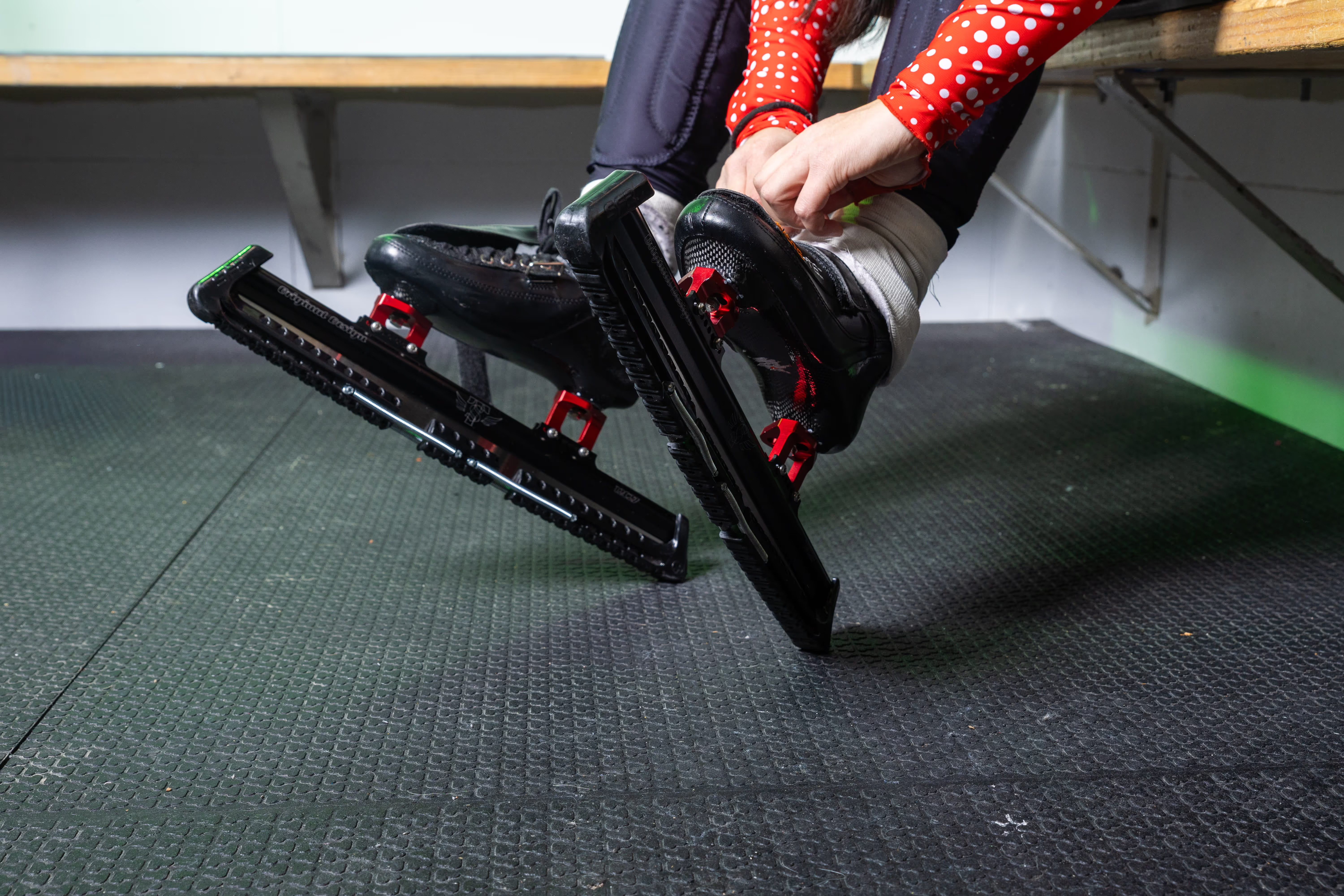
One of the strongest traditions within Nunavut speed skating happens after competition ends. Many athletes return as coaches, volunteers, or mentors, continuing a cycle that keeps the sport strong across generations, including former Team Nunavut skaters Chloë Nevin and William Pothier, who now coach the next wave of athletes.
“It’s really rewarding at the beginning of the season when kids barely know how to skate, and by the end they’re racing laps or five years later competing and having a lot of fun,” says Chloë."
That mentorship shapes how younger athletes see themselves and their future in the sport.
For younger skaters watching the Arctic Winter Games, Arielle and Meliya represent what’s possible.
“I’m excited to watch the younger people skate, because I remember when I was their age at my first Games. I like helping them be there because you know how it feels to be the youngest and watch them evolve like I did,” shares Arielle.
One day, those young viewers will step onto the ice themselves.
The Arctic Winter Games celebrate competition, but they also mark something bigger, a pathway shaped by mentorship, opportunity, and community support.
Across the North, young athletes will be watching and realizing they belong here too, because connection builds confidence and confidence grows champions.
From first practices to international competition, every athlete is carried forward by coaches, families, and the networks that bring northern communities together.
In the North, the future isn’t waiting somewhere ahead.
It’s already on the ice, building momentum toward what comes next.
Choose to discover the stories shaping our North
Northwestel is proud to serve 97 northern communities, each with a rich and unique Indigenous history, culture, and identity. We exist to help ignite the power of these First Nation, Inuit and Métis communities through the very best communications technology and services. We are committed to doing so in true partnership and consultation with Indigenous governments and other Northern Indigenous partners in a way that creates shared benefits for people in the North.